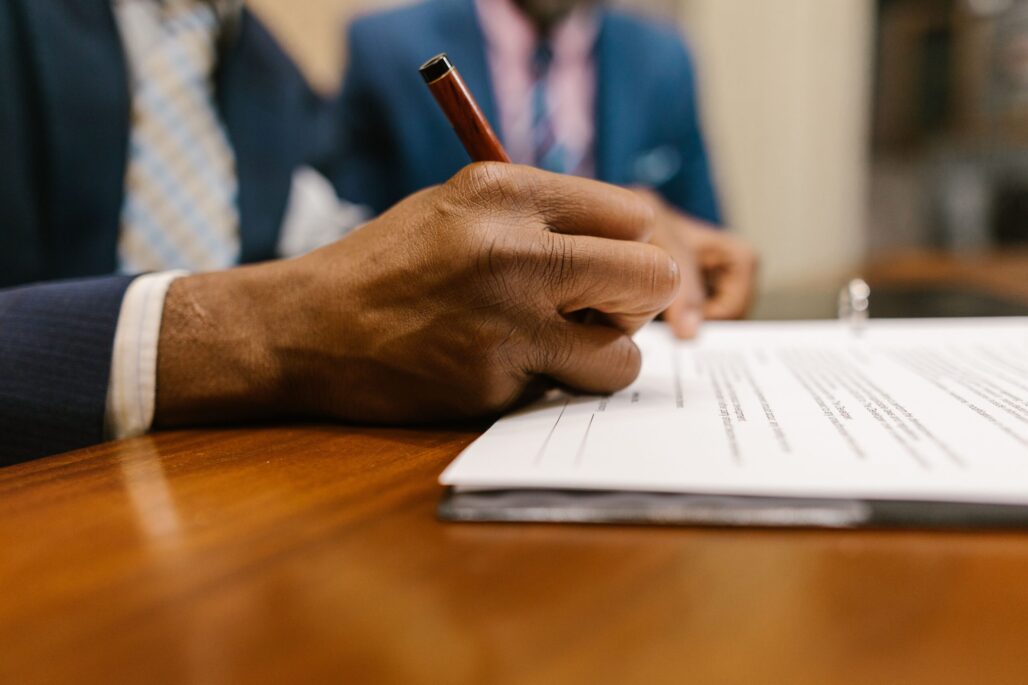
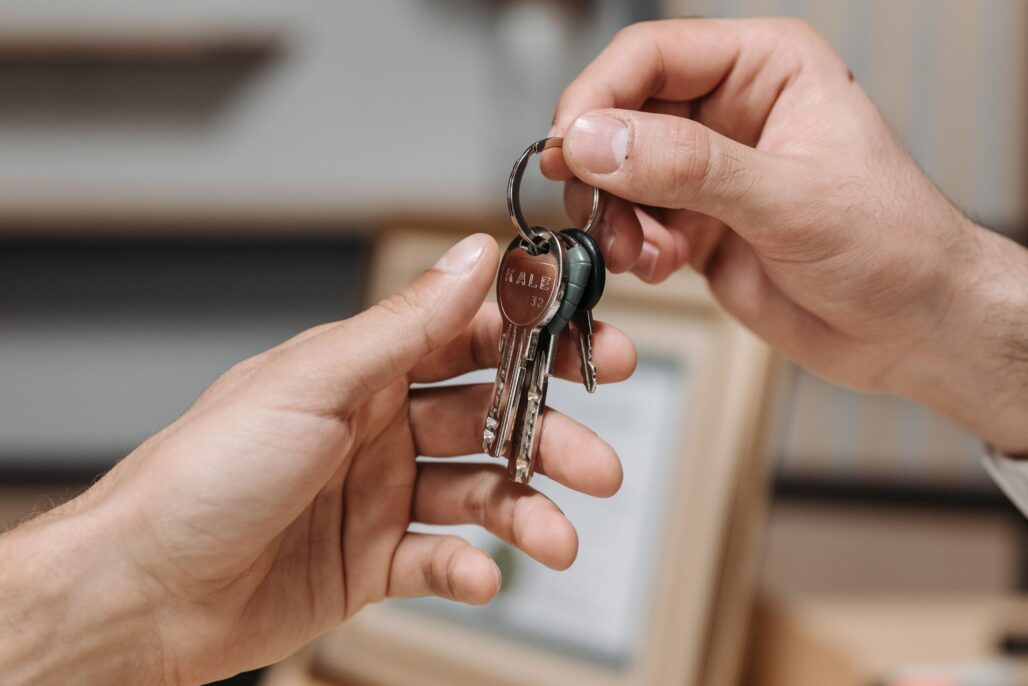
Domestic violence and domestic abuse can affect you irrespective of your gender and age. You can be a victim of harassment and financial abuse (Goldsworthy and Raj, 2018) when going through separation, even when your partner has never shown violent behaviour previously.
Luckily, you can stop domestic violence by taking ACTION. You can easily obtain a protective order from the court (different legal names depending on where you live in Australia) and enforce the abusive partner to keep away from you.
Having combated the abuse, you have a chance to reclaim your happiness. You don’t have to live in fear for the rest of your life. Here are things you can do and decisions you can make to shape your future the way you want.
If at any point this feels overwhelming, remember that there are services that can provide support and advice, and you never have to work through this alone.
Tip 1: Decide Where To Live In The Future
When you separate from your violent partner after psychological or physical abuse, you have to make some important decisions. One of the key decisions to make is where to live in the future.
You have two main options to consider:
- Sell the home (where you lived together) and reach a property settlement with your ex-partner through your family lawyer or domestic abuse solicitor.
- Stay in the same home.
The decision to stay in the same home or sell it depends on how you work out your finances after separation. However, you may want to keep it merely for emotional reasons, taking the financial argument out of the picture. It also helps to understand how the law actually looks at these outcomes, since a fair division is not always an even one, and results similar to a 70/30 divorce settlement in Australia can reflect genuine differences in contributions, including the impact family violence itself may have had on your ability to earn or contribute during the relationship.
If you are going to find a new home to live in, be sure to find a place where you feel safe. If you have children in your care, you may consider moving to a location closer to their schools, or at least somewhere that keeps their routine as stable as possible while everything else changes. As they grow, their living and time-sharing arrangements will likely need to be revisited too, so it is worth understanding realistic child custody schedules by age in Australia rather than assuming one setup will suit them forever. You may have other things to consider before deciding on your future home, depending on your unique circumstances.
Whatever decision you make, remember it’s your decision. It doesn’t have to be influenced by your partner. This is now your life, and you have to take control of it.
Tip 2: Open A Bank Account
You may have never considered this before leaving your partner. A lot of partners have joint bank accounts, as they feel comfortable that way. But once you have separated, it’s your life, and you are the only one responsible for it now. Without a bank account of your own, you won’t find this modern life easy.
When opening an account, choose a bank that you like. Don’t just open the account in the bank where you had a joint account with your partner because you know the bank staff. Just go where YOU feel comfortable. Your decisions don’t have to be dependent on others anymore.
This is also a good time to quietly gather other important documents and information, birth certificates, Medicare details, tax records, and evidence of any income, including less obvious sources. Full financial transparency matters in a property settlement, which is part of why questions like whether income from OnlyFans is illegal or needs to be disclosed come up more often than people expect. A family lawyer can help you understand exactly what needs to be disclosed and what stays private.
Tip 3: Block Your Communication With The Abuser
Unfortunately, domestic violence doesn’t end with separation. Sometimes, it continues beyond separation through phone calls and social media. To avoid further abuse, block the abuser on social media and call your telecommunications company for assistance with your phone. Only communicate when you have to make parenting arrangements, and where possible, keep that communication in writing so there is a clear record.
Alongside blocking contact, it’s worth putting some practical steps to increase your safety in place more broadly. This might include:
- Don’t tell anyone where you are unless you are certain you can trust them completely, including some mutual friends or family members who may still be in contact with your ex-partner.
- Vary your daily routine where possible, including the routes you take and the times you leave home.
- Keep a small bag with essential documents, medication, and some cash somewhere accessible, in case you ever need to leave quickly.
- Update passwords on email, banking, and social media accounts, and check your devices for any location-sharing or tracking apps you didn’t set up yourself.
- Let a trusted friend, neighbour, or colleague know your situation so someone is aware if something feels wrong.
If circumstances around a protection order genuinely change over time, for example if all contact has stopped and there is no ongoing risk, some people look into the reasons to revoke an intervention order later on. That is a decision only a court can make after carefully weighing the evidence, and it should never be treated as something to negotiate quietly between yourselves. Speak with a family lawyer before taking any steps in that direction.
Tip 4: Take Care Of Yourself
Take care of your own wellbeing. It’s the key to happiness, and you need to unlock this door after separating from your violent partner.
Create self-affirmations for yourself. Writing down a few honest, simple statements, that you are safe now, that you are capable, that you are allowed to feel however you feel, can be genuinely grounding on harder days. Some survivors find it helpful to stand in front of the mirror each morning and say, “You have no power over me anymore”, out loud, until it starts to feel true rather than aspirational.
When you take care of yourself, you regain your confidence. As you reclaim your identity and dignity, you will feel happier. Small, consistent things help here too: getting outside for a walk, drinking enough water, eating regular meals, and getting proper rest all support your ability to think clearly and make good decisions during a stressful time.
Tip 5: Reconnect With Your Old Friends
When you were in a violent relationship, you may have disconnected from some of your friends, sometimes because your partner discouraged it, sometimes because it simply felt easier. After you have separated from the abuser, you will have time to rebuild those relationships. Start by reconnecting with the friends you rarely saw during the time you were living with your partner. Isolation is one of the quieter, more corrosive effects of an abusive relationship, and rebuilding your support network is one of the more powerful ways to counter it.
Tip 6: Retain A Lawyer
One of the keys to reclaiming your happiness after domestic violence is understanding your legal rights and protecting yourself against any violence in the future. You may find it difficult to handle your former partner directly, and being unfamiliar with the legal system is a genuine challenge on top of everything else you’re managing.
A good domestic violence lawyer on the Gold Coast or Brisbane will play an important role in settling matters between you and your ex-partner after domestic violence. Additionally, they will protect your assets and make sure that any settlement is in your and your children’s best interests, including working through practical questions like parenting arrangements or schooling decisions that can otherwise become new flashpoints after separation. A family lawyer who genuinely understands family violence dynamics will also know how to structure negotiations, or court proceedings if needed, in a way that keeps you and your children safe throughout.
Support Services
Alongside legal support, it’s worth reaching out to services that specialise in the emotional and practical side of recovery. If you’re not sure where to start, contact one of the support services below for advice from a trained counsellor:
- 1800RESPECT, 1800 737 732, national sexual assault, domestic and family violence counselling, available 24 hours.
- DVConnect Womensline, 1800 811 811, and DVConnect Mensline, 1800 600 636, Queensland-based crisis support and safety planning.
- Lifeline, 13 11 14, 24-hour crisis support and suicide prevention.
- Kids Helpline, 1800 55 1800, for children and young people affected by family conflict or violence.
- In an emergency, always call 000.
Moving Forward
Reclaiming your happiness after domestic violence is rarely a straight line, and there is no single “right” way to do it. What matters is that you get the right support around you, practically, legally, and emotionally, so you can make decisions from a place of safety and clarity rather than fear.
Contact us at Collective Family Law Group, we are here to assist you. Whether you speak with our Director, Hayder Shkara, Principal Caralee Fontenele, solicitor Julie Fotheringham, or another member of our experienced team, we approach every domestic violence matter with the care, discretion, and urgency it deserves. Once you’re ready, we can also help you formalise the practical side of moving on, from parenting arrangements to eventually changing back to your maiden name if that’s part of your next chapter.
This article is general information only and does not constitute legal or medical advice. If you are in immediate danger, call 000. For support and advice from a trained counsellor, contact 1800RESPECT on 1800 737 732 or one of the other services listed above. This is a sensitive topic, and if you are personally experiencing distress, we encourage you to reach out to one of these services or a healthcare professional.
Frequently Asked Questions
How can I reclaim my power after experiencing abuse?
Reclaiming your power tends to happen gradually, through small, repeated actions rather than one single turning point. Making your own decisions again, about where you live, how you spend your time, and who you keep in your life, rebuilds a sense of control that abuse often strips away. Naming what happened honestly, getting the right legal and emotional support, and practising self-affirmations or grounding statements can all help rebuild your confidence over time.
How long does it take to heal from emotional abuse?
There is no fixed timeline, and it genuinely varies from person to person, depending on the length and severity of the abuse, your support network, and the resources available to you. Many survivors describe meaningful improvement within months of consistent counselling and safety, while fully processing the experience can take considerably longer. Progress is rarely a straight line, so setbacks along the way don’t mean you’re not healing.
Why do domestic abuse victims go back?
There are usually several overlapping reasons, financial dependence, fear of escalating violence, concern for children, hope that the abuser will change, isolation from support networks, and the psychological effects of prolonged abuse, which can make leaving feel far more dangerous or difficult than staying. Leaving is often not a single event but a process, and many survivors leave and return more than once before leaving permanently. This is a well recognised pattern, not a personal failing, and it doesn’t mean support isn’t working.
Is it normal to experience depression after leaving an abusive relationship?
It is common for survivors to experience low mood, anxiety, or depressive symptoms after leaving an abusive relationship, alongside relief and a sense of freedom. Adjusting to a new life, processing what happened, and managing practical stress such as finances or parenting arrangements all take a toll. If low mood persists or feels overwhelming, it’s worth speaking with a GP or counsellor, since these feelings are common but still deserve proper support rather than being pushed through alone.